The Problem
For most of the 20th century, companies could dump chemicals pretty much wherever they wanted. Factories buried barrels of toxic waste in their backyards. Mines left piles of contaminated rock next to streams. Dry cleaners poured used solvents into the ground. Gas stations leaked fuel from underground tanks for decades.
When these businesses closed, or even while they were still running. the chemicals they left behind started seeping into the soil, the groundwater, and sometimes into people's homes. Towns discovered their drinking water was contaminated. Kids played in fields that turned out to be old dump sites. People got sick.
Love Canal
The most famous case happened in the late 1970s in a neighborhood called Love Canal near Niagara Falls, New York. A chemical company had buried 21,000 tons of toxic waste in an old canal, then sold the land. A school and houses were built on top of it. Residents started getting sick. miscarriages, birth defects, cancer. Eventually the entire neighborhood was evacuated. Love Canal is the main reason Superfund was created.
What Is Superfund?
Think of it as a hazmat cleanup crew for the worst messes in America.
In 1980, Congress created a law called CERCLA (most people just call it "Superfund") that gives EPA the power and money to clean up the most dangerously contaminated sites in the country. EPA keeps a list of the worst ones. it's called the National Priorities List. Getting on this list means your site is bad enough that the federal government needs to step in.
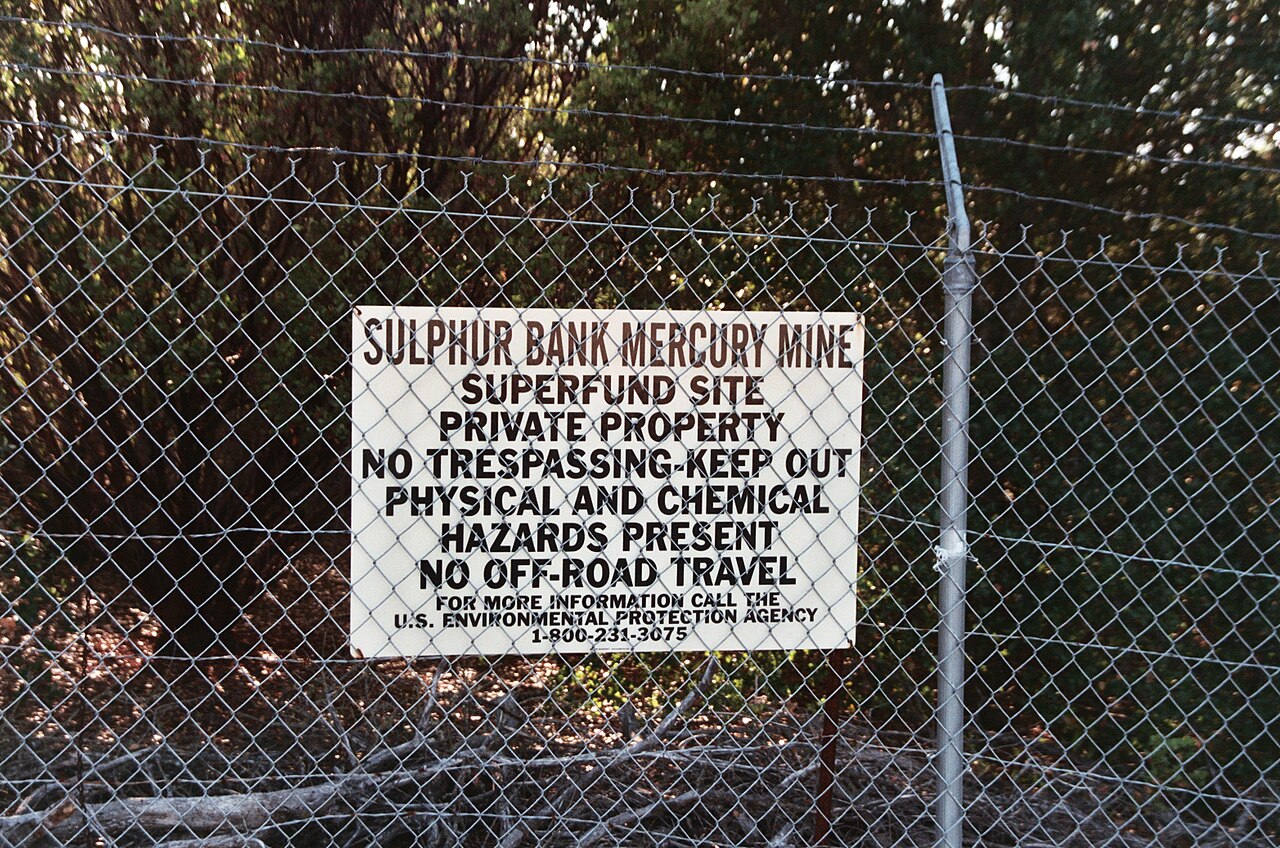
There are currently over 1,300 sites on the Superfund list. They're in every state. Some are old factories. Some are military bases. Some are landfills. Some are mines. Some are in the middle of neighborhoods where people live right now.
How Does Cleanup Work?
Superfund cleanup is slow and complicated. because the contamination itself is complicated. The basic steps:
Find the mess. EPA investigates the site to figure out what chemicals are there, how far they've spread, and what's at risk. drinking water, soil, air, nearby homes, rivers.
Figure out what to do. EPA studies different cleanup options and picks one. Sometimes it's digging up contaminated soil and hauling it away. Sometimes it's pumping and treating groundwater. Sometimes it's capping the site. putting a barrier over it so the chemicals can't reach people.
Clean it up. This part takes years, sometimes decades. The average Superfund cleanup takes about 12-15 years from listing to completion.
Monitor it. Even after cleanup, many sites need long-term monitoring to make sure the contamination doesn't come back or spread.
Who Pays?
The law says: the polluter pays. EPA tries to find the companies or people responsible for the contamination and make them pay for the cleanup. This is called "polluter pays" principle.
But here's the reality: many of these companies no longer exist. They went bankrupt, or got bought by other companies, or dissolved decades ago. When EPA can't find a responsible party, or the party can't pay. the cleanup is funded by taxpayers through EPA's budget.
The program was originally funded by a tax on chemical and petroleum companies (that's where the name "Superfund" comes from. it was a dedicated fund). That tax expired in 1995 and wasn't renewed until 2022. For the 27 years in between, cleanups were funded entirely by general taxpayer money.
Is there a Superfund site near you?
Probably closer than you think. You can search EPA's map of all Superfund sites at epa.gov/superfund. Type in your zip code and see what comes up.
The bottom line
Superfund exists because for decades, companies treated the environment like a free dumpster. The messes they left behind are real, they're toxic, and they take years and millions of dollars to clean up. The program is imperfect and slow, but without it, these sites would just sit there poisoning the soil and water indefinitely.
Sources: EPA Superfund program; CERCLA (42 U.S.C. §9601 et seq.); EPA National Priorities List. Have a correction? Contact us.