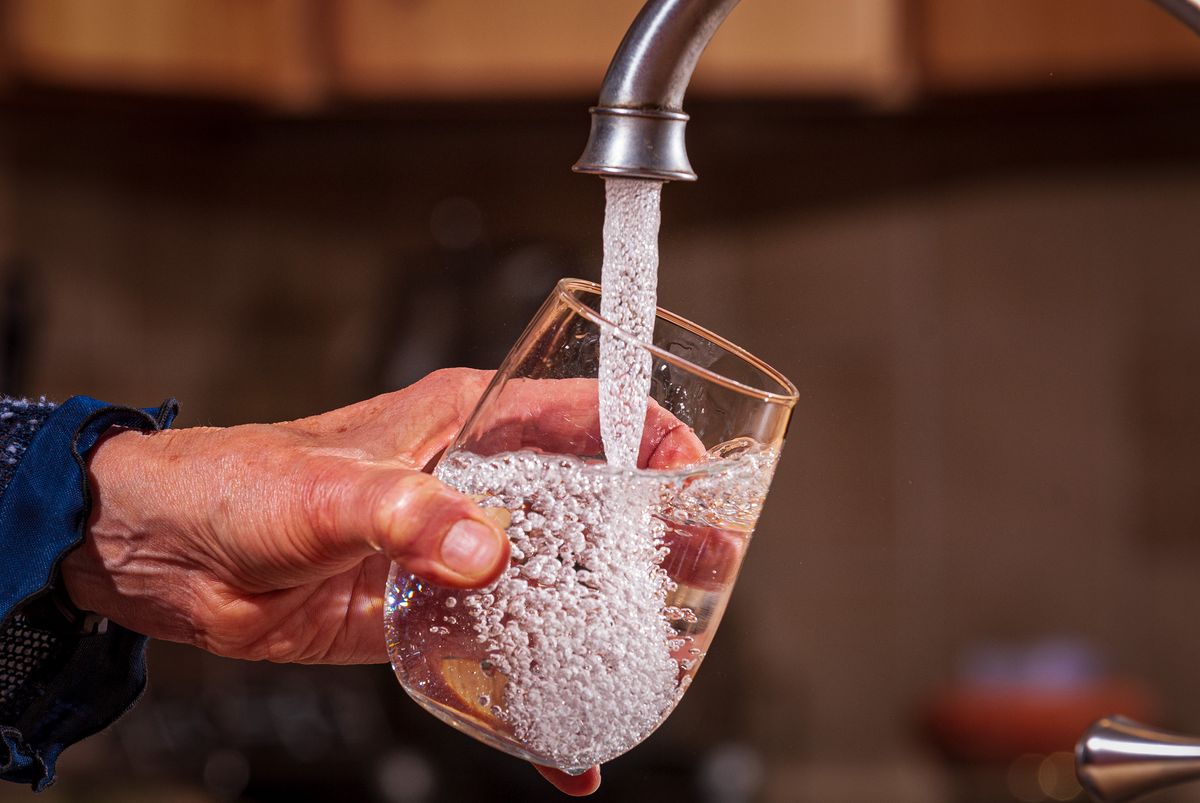
Your Water Company Tests Your Water
If you get water from a public water system, meaning water that comes through pipes to your house from a utility, not a private well. your water company is required by federal law to test it regularly and tell you what they found.
They do this in a document called a Consumer Confidence Report (CCR), sometimes called a "Water Quality Report." It comes out once a year, usually by July 1st. Most water companies post it on their website. Some mail it to you. Many people throw it away without reading it.
How to find your report right now:
Option 1: Google your city or county name + "water quality report" or "consumer confidence report."
Option 2: Go to epa.gov/ccr and search for your water system.
Option 3: Look at your water bill. it usually has a link or says where to find the report.
What Does the Report Tell You?
The report lists the things your water company tested for and what they found. For each substance, it shows three things:
The level they found. This is how much of that substance was detected in your water, usually in very small amounts. parts per million (ppm) or parts per billion (ppb). Think of parts per billion as one drop in a swimming pool.
The legal limit. This is the maximum amount allowed by federal law, called the Maximum Contaminant Level or MCL. EPA sets these limits based on what's considered safe for people to drink over a lifetime.
The goal. This is the level where there's no known health risk at all, called the MCLG. It's often lower than the legal limit, sometimes zero. because achieving absolute zero isn't always practically possible.
How to read it:
Look at the "Level Found" column. Compare it to the "MCL" (legal limit) column. If the level found is below the MCL, your water meets federal standards for that substance. If it's above, your water system is required to fix it and notify you.
Just because water meets the legal limit doesn't mean it has zero contaminants. it means the amounts detected are within what EPA considers safe. Some people choose to use home filters for extra peace of mind, and that's a reasonable choice.
What Are They Testing For?
The most common things you'll see in the report include lead (from old pipes), chlorine (added on purpose to kill bacteria), nitrates (from fertilizer runoff), and various bacteria. Some newer reports also test for PFAS. the "forever chemicals" used in nonstick coatings and firefighting foam.
One thing the report probably doesn't test for yet: microplastics. EPA recently added them to a watch list, but there's no legal requirement to test for or remove them from drinking water. That may change in the future.
What about lead?
Lead in drinking water usually comes from old pipes and plumbing in your building, not from the water source itself. The legal limit for lead is 15 parts per billion, but the health goal is zero. If your house was built before 1986, your pipes might contain lead. Running cold water for 30 seconds before drinking can help flush lead out, and home filters certified for lead removal are effective.
What If You Have a Private Well?
If your water comes from a private well, none of this applies. Private wells are not regulated by EPA and are not required to be tested. It's entirely your responsibility. The CDC and EPA both recommend testing your well water at least once a year for bacteria and nitrates, and more often if you notice changes in taste, color, or smell.
Your local health department can usually help with well water testing, often for free or low cost.
The bottom line
Your tap water is tested. The results are public. You have a right to read them. Go find your Consumer Confidence Report, look at the numbers, and see for yourself. If something looks off, call your water company. they're required to answer your questions.
Sources: Safe Drinking Water Act; EPA Consumer Confidence Report rules (40 CFR Part 141, Subpart O); EPA.gov/ccr. Have a correction? Contact us.