What Is the Endangerment Finding?
In 2009, EPA made an official scientific determination: six greenhouse gases, including carbon dioxide and methane, threaten the public health and welfare of current and future generations by contributing to climate change.
That's it. One finding. But it changed everything.
Think of it like a doctor's diagnosis.
Before a doctor can prescribe medicine, they have to diagnose the problem. The Endangerment Finding was EPA's diagnosis. It said: greenhouse gases are making people sick and damaging the environment. Once that diagnosis was official, EPA was legally required to write the prescription, meaning regulations to reduce those gases.
Without the diagnosis, there's no legal basis for the prescription. That's what rescinding the Endangerment Finding does. It erases the diagnosis.
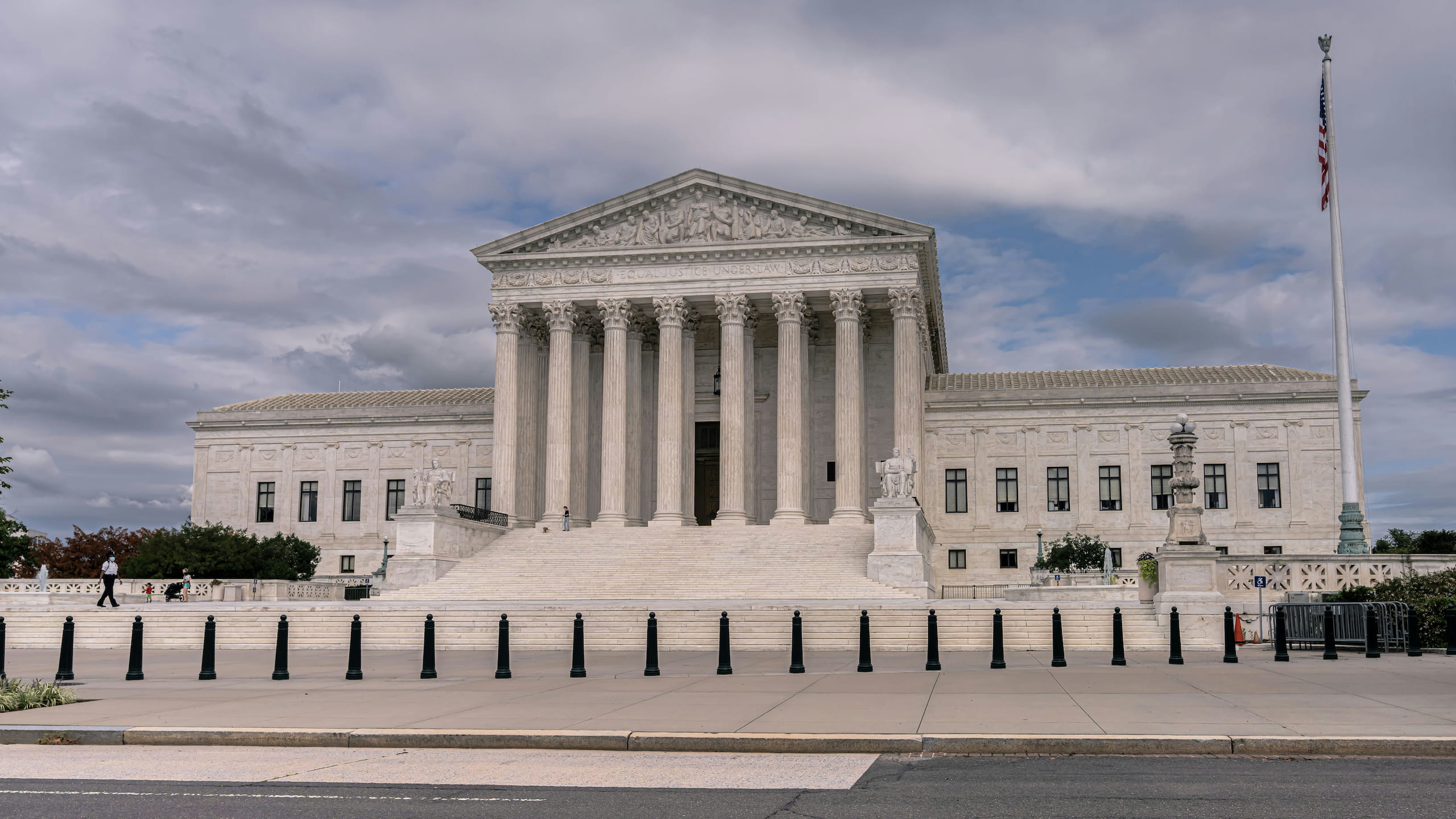
The finding didn't come out of nowhere. In 2007, the U.S. Supreme Court ruled in Massachusetts v. EPA that greenhouse gases qualify as "air pollutants" under the Clean Air Act. The Court said EPA had to determine whether those pollutants endanger public health. EPA studied the science for two years, reviewed thousands of studies, held public hearings, and concluded that yes, they do.
Once that finding was on the books, EPA was legally obligated to act. And it did. Vehicle emissions standards, power plant carbon limits, methane rules for oil and gas operations. All of it built on the Endangerment Finding.
What Did EPA Just Do?
On February 12, 2026, EPA finalized a rule rescinding the Endangerment Finding. The rule was published in the Federal Register (the government's official record of new rules and regulations) on February 18 and takes effect on April 20, 2026. EPA called it "the single largest deregulatory action in U.S. history."
The repeal does two things at once. First, it erases the 2009 finding that greenhouse gases endanger public health. Second, it repeals all federal greenhouse gas emission standards for cars, trucks, and other vehicles, covering every model year from 2012 forward.
What this means in practice
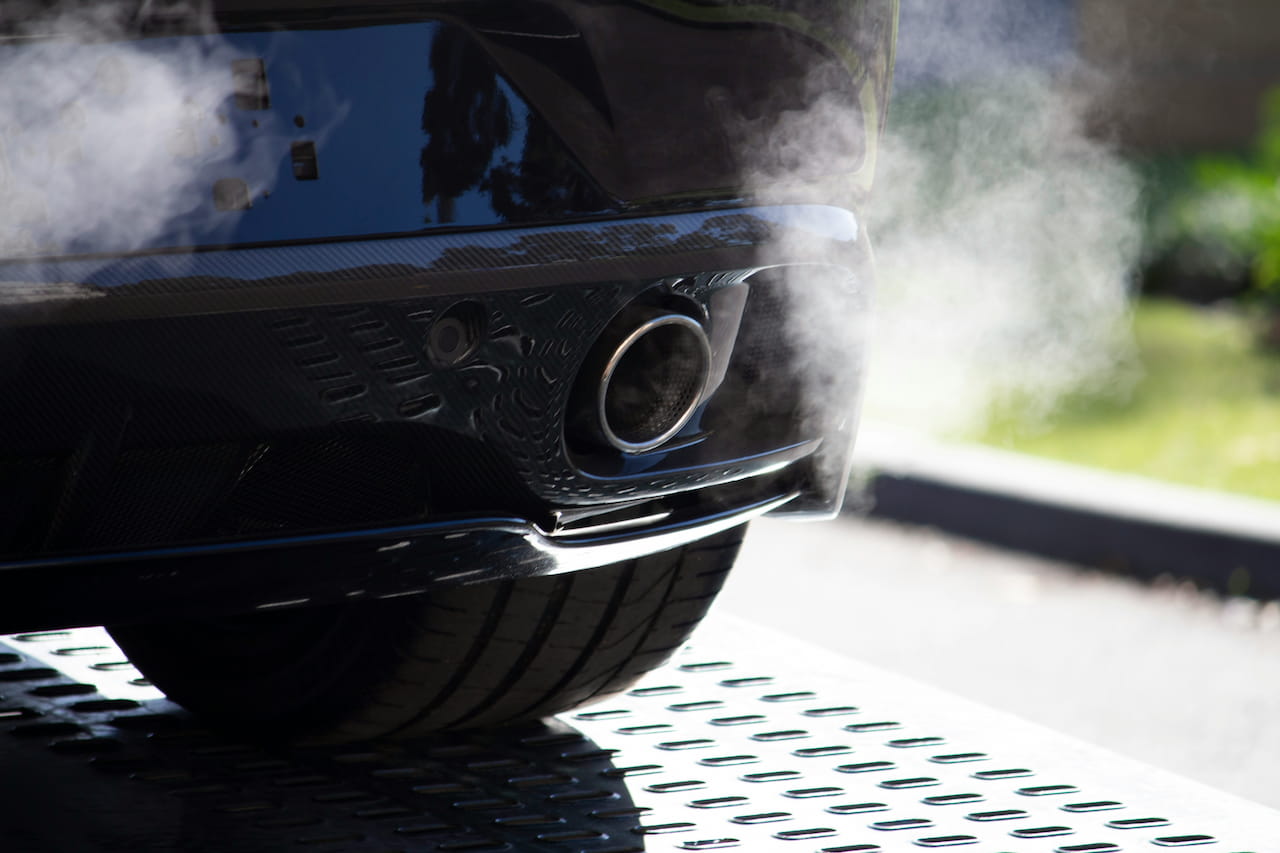
As of April 20, vehicle manufacturers will no longer have any federal obligation to measure, report, or limit greenhouse gas emissions. The emissions standards that were driving the auto industry toward cleaner, more efficient cars are gone. According to EPA, the repeal will save Americans over $1.3 trillion in vehicle costs.
EPA's Argument
EPA is not arguing that climate change isn't real. In fact, the final rule dropped the science-based arguments that appeared in the earlier proposal. Instead, EPA is making a legal argument: the Clean Air Act doesn't give the agency authority to regulate greenhouse gases based on global climate change.
Here's EPA's reasoning. The Clean Air Act was written to address "air pollution," which EPA now says means pollution that harms people on a local or regional level, like smog over a city or soot near a highway. Greenhouse gases work differently. One car's CO2 emissions don't directly harm the person standing next to it. Instead, CO2 from millions of sources around the world accumulates in the atmosphere and changes the global climate, which then causes health effects like heat deaths, worsened hurricanes, and more wildfire smoke.
EPA says that chain of cause and effect is too indirect for the Clean Air Act to cover. The agency also argues that even eliminating all vehicle greenhouse gas emissions in the United States would have a minimal effect on global climate change, making the regulations ineffective and therefore unjustified.
EPA also points to recent Supreme Court decisions, including West Virginia v. EPA (2022), which limited the agency's power to impose sweeping climate rules, and Loper Bright v. Raimondo (2024), which overturned the principle that courts should defer to agency interpretations of ambiguous laws.
What the Science Says
When EPA originally proposed rescinding the finding in August 2025, it cited a report from a group of five scientists selected by the Department of Energy. That report questioned the severity of climate change impacts. It drew immediate criticism from the scientific community.
In response, the National Academies of Sciences, Engineering, and Medicine, an independent body established by Congress in 1863, conducted its own review. Their conclusion, published in September 2025: the 2009 Endangerment Finding "was accurate, has stood the test of time, and is now reinforced by even stronger evidence." They found that much of what was uncertain in 2009 has since been confirmed by research. According to the Associated Press, a group of 85 climate scientists separately reviewed the DOE report and found it "full of errors, and not fit to inform policy making."
A federal judge in Massachusetts also ruled that the DOE working group was likely formed in violation of federal transparency laws.
In the final rule, EPA dropped the DOE report and its science-based arguments entirely. The repeal now rests on legal reasoning alone.
Key detail
EPA is not saying greenhouse gases are safe. The final rule states that the EPA Administrator "continues to harbor concerns regarding the scientific analysis" in the 2009 finding. But EPA chose not to challenge the science in the final rule, relying instead on its argument that the Clean Air Act simply doesn't cover global climate change.
Who Is Suing
Within hours of the rule's publication on February 18, a coalition of 17 environmental and health organizations filed a petition for review in the D.C. Circuit Court of Appeals, the federal court in Washington that handles challenges to most federal agency rules. The groups include the Sierra Club, the Environmental Defense Fund, the Natural Resources Defense Council, the American Public Health Association, and the American Lung Association. They are represented by Earthjustice and the Clean Air Task Force, among others. A separate petition was filed on behalf of 18 young people.
On March 19, a coalition of 24 states, 10 cities, and 5 counties filed their own lawsuit. The coalition was led by the attorneys general of New York, Massachusetts, California, and Connecticut. On the other side, 25 states led by West Virginia and Kentucky filed to intervene in defense of EPA's repeal.
The challengers argue that the repeal contradicts the Supreme Court's own ruling in Massachusetts v. EPA, which said greenhouse gases are air pollutants and directed EPA to determine whether they endanger public health. Courts have upheld the Endangerment Finding every time it has been challenged, including a D.C. Circuit ruling in 2012 and again in 2023.
Legal analysts widely expect this case to reach the Supreme Court. How the Court handles it will depend on whether it chooses to limit or even overturn its own 2007 decision in Massachusetts v. EPA.
What Happens After April 20
- 2007: Supreme Court rules in Massachusetts v. EPA that greenhouse gases are air pollutants under the Clean Air Act.
- 2009: EPA issues the Endangerment Finding, concluding that greenhouse gases endanger public health and welfare.
- 2010-2024: EPA issues vehicle emissions standards, power plant carbon rules, and methane regulations, all built on the Endangerment Finding.
- January 2025: President Trump signs executive order directing EPA to reevaluate the Endangerment Finding.
- August 2025: EPA proposes rescinding the finding. Over 570,000 public comments are submitted.
- September 2025: National Academies of Sciences affirms the 2009 finding is scientifically sound.
- February 12, 2026: EPA finalizes the repeal.
- February 18, 2026: Rule published in Federal Register. First lawsuits filed within hours.
- March 19, 2026: 24 states, 10 cities, and 5 counties sue EPA.
- April 20, 2026: Rule takes effect. Deadline to file legal challenges.
- 2027 or later: Case expected to reach the Supreme Court.
On April 20, all federal greenhouse gas emission standards for vehicles will be gone. Automakers will no longer be required to meet federal emissions targets for CO2.
But the effects could go much further. The Endangerment Finding was also the legal foundation for greenhouse gas rules on power plants, oil and gas methane emissions, and other sectors. EPA has already proposed repealing greenhouse gas standards for power plants in a separate rulemaking. According to legal analysts at Jones Day and Davis Polk, the repeal is ultimately aimed at eliminating EPA's authority to regulate greenhouse gases under the Clean Air Act entirely.
What about states?
Some legal scholars note an unintended consequence. If the federal government says it doesn't have authority to regulate greenhouse gases, that could actually strengthen the argument that states can. Several states, including California, already have their own vehicle emissions standards. Minnesota introduced a "Climate Superfund" bill in March 2026. If the federal government steps back, states may step in, potentially creating a patchwork of different rules across the country.
The Two Sides
EPA and supporters say
The Clean Air Act was written to address local and regional air pollution, not global climate change. Congress never intended to give EPA authority to regulate greenhouse gases. U.S. vehicle emissions are a tiny fraction of global emissions, making the standards ineffective. The repeal will save Americans over $1.3 trillion in vehicle costs and reduce regulatory burdens on manufacturers.
Challengers say
The Supreme Court already ruled in 2007 that greenhouse gases are air pollutants under the Clean Air Act. EPA's repeal ignores that ruling and ignores 17 years of scientific evidence confirming that climate change harms public health. The National Academies confirmed the science is stronger than ever. Eliminating these protections will lead to more pollution, more health problems, and more climate damage. According to the Environmental Defense Fund, the vehicle standards alone were set to deliver the single largest reduction in U.S. climate pollution.
The bottom line
The Endangerment Finding was one sentence in a government document: greenhouse gases endanger public health. For 17 years, that sentence was the legal foundation for every federal action on climate change. On April 20, it goes away. Whether it stays gone depends on the courts. If it does, no future administration can regulate greenhouse gases under the Clean Air Act without new legislation from Congress.
Sources: 91 FR 7686 (February 18, 2026), Final Rule: Rescission of the Greenhouse Gas Endangerment Finding and Motor Vehicle Greenhouse Gas Emission Standards Under the Clean Air Act; EPA Fact Sheet, "EPA Delivers Single Largest Deregulatory Action in U.S. History" (February 12, 2026); Massachusetts v. EPA, 549 U.S. 497 (2007); Coalition for Responsible Regulation v. EPA, 684 F.3d 102 (D.C. Cir. 2012); West Virginia v. EPA, 597 U.S. 697 (2022); Loper Bright Enterprises v. Raimondo, 603 U.S. 369 (2024); National Academies of Sciences, Engineering, and Medicine, "Effects of Human-Caused Greenhouse Gas Emissions on U.S. Climate, Health, and Welfare" (September 17, 2025); Earthjustice, "Earthjustice and Partners Sue EPA for Illegal Repeal of Climate Protections" (February 18, 2026); Associated Press, "Two dozen states, 10 cities sue EPA over repeal of 'endangerment' finding central to climate fight" (March 19, 2026); Georgetown Climate Center, "What's New in EPA's Final Rule Rescinding the Endangerment Finding" (February 26, 2026); Harvard Salata Institute, "The Legal Reasoning Behind the Endangerment Rescission" (March 5, 2026); Jones Day, "EPA Finalizes Repeal of Greenhouse Gas Endangerment Finding" (February 17, 2026); Davis Polk, "EPA's Endangerment Finding in Danger" (March 9, 2026). Have a correction? Contact us.