What Is Ethylene Oxide?
Ethylene oxide, usually called EtO (pronounced "ee-tee-oh"). is a gas that you can't see, can't smell, and can't taste. It's incredibly effective at killing bacteria, viruses, and fungi on surfaces. That makes it ideal for sterilizing things that can't be steam-cleaned, like plastic medical devices.
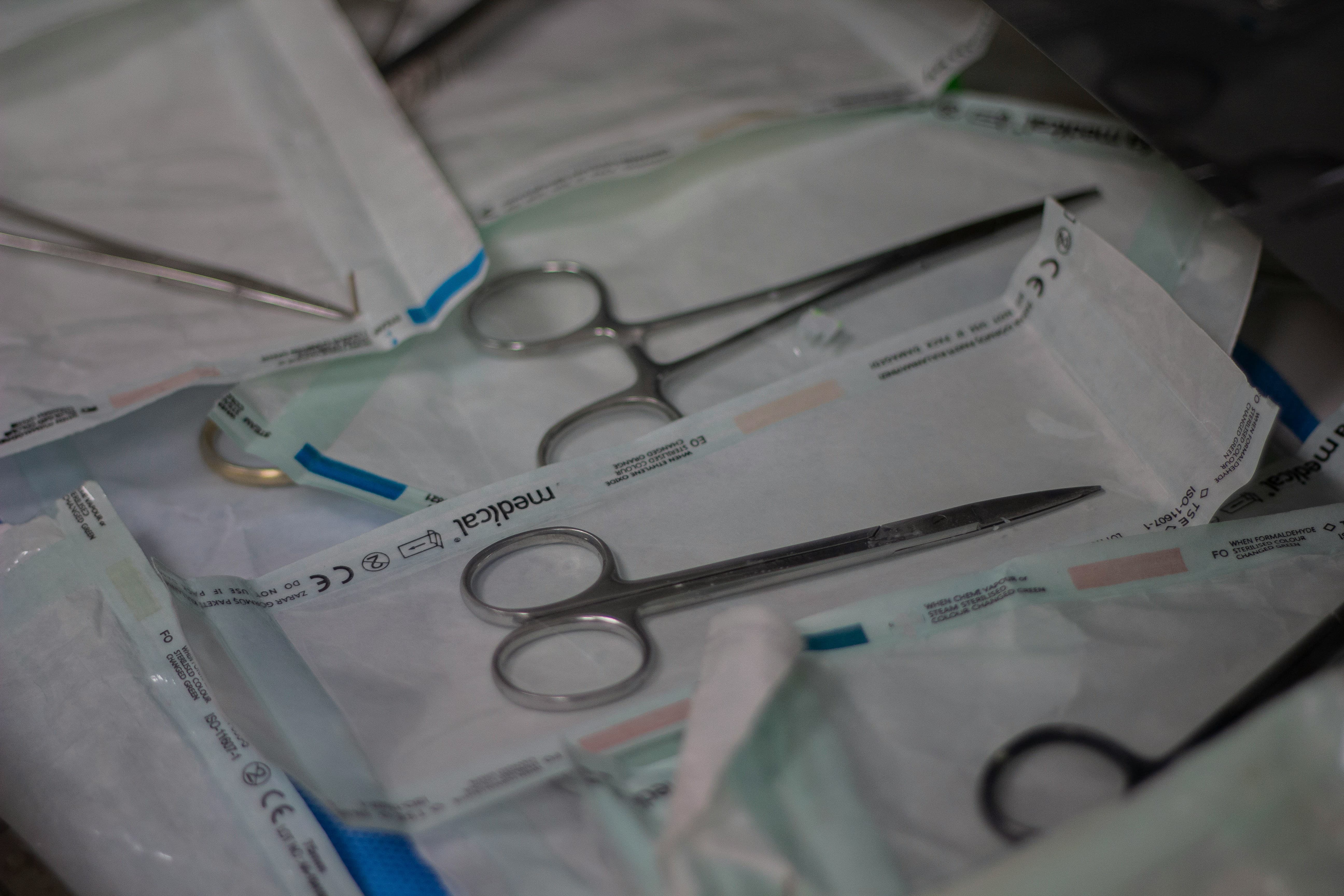
Every year, about 20 billion medical devices in the United States are sterilized with EtO. roughly half of all medical devices sold in the country. That includes heart valves, pacemakers, surgical kits, gowns, drapes, ventilators, syringes, and catheters. Right now, there is no widely available alternative that works as well for many of these products.
But here's the problem: EtO is classified as a known human carcinogen by EPA, the National Toxicology Program, and the International Agency for Research on Cancer (part of the World Health Organization). All three agencies have independently determined that ethylene oxide causes cancer in humans.
What the science says
According to EPA's 2016 Integrated Risk Information System (IRIS) assessment, chronic exposure to ethylene oxide is associated with increased risk of lymphoma, leukemia, breast cancer, and stomach cancer. That assessment found the cancer risk from EtO was roughly 60 times higher than previously estimated. According to EPA, approximately 14 million Americans live within five miles of at least one commercial sterilization facility.
Why Is It So Hard to Monitor?
This is one of the most frustrating parts of the EtO story: even the experts have trouble measuring it.
EPA's acceptable risk level for EtO in ambient air is 11 parts per trillion. To put that in perspective, one part per trillion is like one drop of water in 20 Olympic-sized swimming pools. Now imagine trying to detect 11 of those drops. That's what monitoring equipment has to do.
The standard testing method. collecting air in special metal canisters and analyzing it in a lab. can only reliably detect EtO down to about 20 to 90 parts per trillion. That means the safe level is below what the standard equipment can even measure. You could be breathing air with dangerous levels of EtO, and the test might come back showing nothing.
Why measuring EtO is so difficult
It's invisible and odorless. Unlike smoke or smog, there's no way for a person to know EtO is in the air without specialized instruments.
The safe level is absurdly small. EPA says the risk level is 11 parts per trillion. Most monitoring equipment can't detect that low. It's like needing to count individual grains of sand in a swimming pool.
Lab results can be wrong in both directions. The air collection canisters themselves can sometimes generate or absorb EtO, meaning lab results might be higher or lower than what's actually in the air. In one study, over 31% of samples were affected by these canister artifacts.
Other chemicals can masquerade as EtO. A compound in diesel exhaust called ethyl nitrite shows up as EtO on standard lab equipment, leading to false positives that are difficult to distinguish from real readings.
Results take weeks. The standard method requires shipping canisters to a lab, where analysis can take 21 days. There's no instant readout.
Newer technologies, like laser-based analyzers and mass spectrometry vans. can detect EtO in real time at much lower levels. But they're expensive, not widely deployed, and not yet the regulatory standard. In practice, most communities near sterilization facilities have limited or no ambient monitoring for EtO.
What Did EPA Do in 2024?
In April 2024, after years of review and public comment, EPA finalized a major update to the emission standards for commercial sterilization facilities. It was the first significant tightening of these rules in nearly two decades.
The 2024 rule did several things:
What the 2024 rule required
Stricter emission limits for sterilization chambers, aeration rooms, and other sources of EtO inside facilities. EPA estimated the rule would reduce emissions by about 92%.
Continuous emission monitoring systems (CEMS) for facilities using 100 pounds or more of EtO per year. Instead of occasional spot checks, these systems measure emissions continuously and report the data.
Permanent total enclosure (PTE). requiring larger facilities to fully enclose their EtO operations so that no gas escapes through gaps, doors, or ventilation leaks.
New standards for previously unregulated emission sources within facilities, including room air emissions that were never covered before.
According to EPA's regulatory impact analysis, the rule would prevent thousands of cancer cases over time. Industry groups including the American Chemistry Council said compliance would cost hundreds of millions of dollars and could force some facilities to close, potentially disrupting the supply of sterile medical devices.
In January 2025. just before the rule's compliance deadline. the Biden administration itself had to create an exemption process because some facilities said they couldn't meet the requirements in time.
What Is EPA Proposing Now?
On March 17, 2026, EPA published a proposal to roll back major parts of the 2024 rule. The agency says the Biden-era rule overstepped its legal authority and threatens the medical device supply chain.
Here's what the proposal would do:
What would change
Rescind the risk-based emission standards. EPA is proposing to remove the tighter limits that were based on the updated cancer risk assessment, arguing the Clean Air Act doesn't allow EPA to redo this type of risk review the way the 2024 rule did.
What would change
Drop the continuous monitoring requirement. Instead of requiring facilities to install systems that measure EtO emissions continuously, facilities could choose to use simpler "parametric monitoring". essentially checking that control equipment is working rather than measuring what's actually coming out.
What would change
Remove the permanent total enclosure requirement. Facilities would no longer have to fully seal their EtO operations to prevent leaks.
EPA estimates the rollback would save the industry about $280 million in capital costs and $50 million per year in compliance costs.
The Two Sides
This is a case where both sides are pointing at real problems. they just disagree on which problem is bigger.
The industry and EPA argument
EtO sterilizes 50% of all medical devices in the U.S.: 20 billion devices per year. There is no widely available alternative for many of these products. If the 2024 rules force facilities to close, hospitals could face shortages of sterile surgical equipment. The Biden administration itself had to issue emergency exemptions because facilities couldn't comply in time. The rules were based on a legal interpretation of the Clean Air Act that EPA now believes was wrong. Loosening the rules protects the supply chain while still maintaining emission standards from the technology review.
The health and environmental argument
According to EPA, the National Toxicology Program, and the WHO, EtO is a known carcinogen. According to EPA data, roughly 14 million people live within five miles of at least one sterilization facility. Environmental justice analyses submitted during the 2024 rulemaking found that communities near these plants are disproportionately low-income and communities of color. The 2024 rule went through years of scientific review, public comment, and legal vetting. Continuous monitoring is the only way to verify that facilities are actually controlling their emissions, especially for a gas that's nearly impossible to detect otherwise. Removing the monitoring requirement means relying on industry's word that the equipment is working. The medical supply chain argument doesn't justify exposing communities to a known carcinogen without adequate safeguards.
What's Already Happened
- December 2016: EPA updates its risk assessment for EtO, finding cancer risk roughly 60 times higher than previously estimated.
- April 2023: EPA proposes tighter emission standards for commercial sterilization facilities.
- April 2024: EPA finalizes the tighter standards. Industry groups challenge the rule in court.
- January 2025: The Biden administration creates an emergency exemption process after facilities say they can't comply in time.
- March 2025: The Trump administration invites industry to apply for broader exemptions from the 2024 rule.
- July 2025: The Trump administration grants exemptions to 41 sterilization facilities.
- October 2025: Health and environmental groups sue over the exemptions, arguing the President exceeded his authority under the Clean Air Act.
- March 2026: EPA publishes its proposal to formally roll back the 2024 rule. Public hearing held April 1.
- May 1, 2026: Comment period closes.
How to Comment
The public comment period for this proposed rule is open until May 1, 2026. Anyone can submit a comment. you don't need to be an expert, a lawyer, or an affected party. You just need to say what you think and why.
Comments can be submitted at regulations.gov. The EPA docket number is EPA-HQ-OAR-2019-0178.
The bottom line
This comes down to a tradeoff between two real risks: the risk that stricter rules could disrupt the supply of sterilized medical devices, and the risk that weaker rules will increase cancer rates in communities near sterilization facilities. The 2024 rule tried to address the cancer risk after decades of inaction. The 2026 proposal says the 2024 rule went too far. What's clear is that EtO is dangerous, it's nearly impossible to monitor, and 14 million Americans live near facilities that release it. How much protection they deserve, and how much disruption to the medical supply chain is acceptable to provide it. is the question this rule is trying to answer.
Sources: 91 FR 12700 (March 17, 2026), Proposed Rule: Reconsideration of EtO Emissions Standards for Sterilization Facilities; 89 FR 24090 (April 5, 2024), Final Rule: EtO Emissions Standards for Sterilization Facilities; EPA Press Release, "EPA Releases Proposal for Commercial Sterilizers to Safeguard the Supply of Life-Saving Medical Tools" (March 2026); EPA IRIS Assessment, Evaluation of Inhalation Carcinogenicity of Ethylene Oxide (2016); SBA Office of Advocacy, "EPA Proposes Revisions to EtO Standards for Commercial Sterilization Facilities" (March 19, 2026); Cancer Therapy Advisor, reporting by staff (March 2026); Harvard Environmental & Energy Law Program, EtO Tracker; Sonoma Technology, "Emerging Technologies for Measuring Ambient Ethylene Oxide"; EPA Questions and Answers: About the Current Monitoring Data (Willowbrook). Have a correction? Contact us.